
如何識別次料亞加力膠架成品?
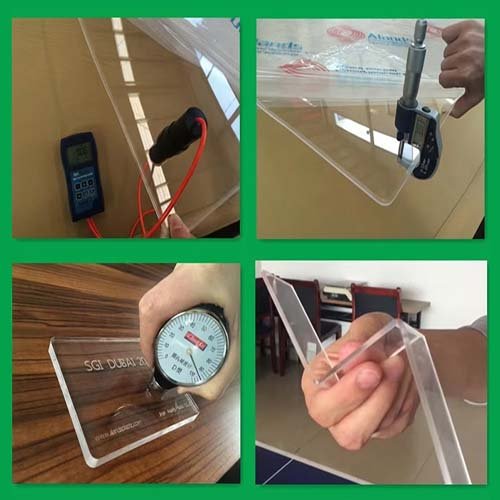
如何識別次料亞加力膠架成品?——從專業角度全面解析品質差異
在獎座、展示架、零售陳列、企業禮品及品牌展示行業中,亞加力膠架(Acrylic Display Stand)因其高透明度、現代感強及加工靈活而被廣泛應用。然而,隨着市場競爭加劇,不少低價產品開始流通,當中相當一部分是以「次料亞加力」製作。這類成品在外觀上或可蒙混過關,但在結構強度、耐用度及長期穩定性方面存在明顯隱患。本文將以專業及實務角度,詳細說明如何有效識別次料亞加力膠架成品。
甚麼是次料亞加力?行內常見定義
次料亞加力一般指非全新(Virgin)PMMA 原料,而是由回收亞加力碎料、舊板、邊角料,甚至混合其他塑膠材料再熔製而成。由於回收次數不一,分子鏈已被破壞,其物理與光學性能難以回復至原生亞加力水平。部分廠商會以「環保料」或「再生料」作包裝,但實際上多數並未達到穩定工業級標準。
透明度與光學效果的專業判斷
高品質全新亞加力的最大特點,是接近玻璃般的高透光率(可達 92% 以上),視覺清澈、邊緣銳利。次料亞加力常出現以下問題:
整體透明度下降,呈現輕微霧白
板材內部可見細小黑點、白點或不規則雜質
厚板位置出現明顯色差或灰濁感
在專業檢測中,常會將膠架置於白紙或光箱前觀察,次料的缺陷會被立即放大。
板材內部氣泡與水紋現象
鑄造級全新亞加力板材,其內部結構均勻細密。相反,次料亞加力由於熔點不一致、雜質含量高,極容易形成:
細小氣泡
水紋狀流痕
局部密度不均
這些問題在薄板中未必十分顯眼,但在厚板膠架或承重結構中,會直接影響整體強度與使用壽命。
切割邊緣與拋光品質的差異
亞加力膠架成品多經過雷射切割、CNC 加工及火拋處理。全新亞加力的切割邊平直細緻,火拋後邊緣通透亮滑。次料亞加力則常見:
切邊出現微裂紋或鋸齒狀
火拋後仍帶霧感,無法達到鏡面效果
容易出現燒焦、泛白或波浪紋
對於高端獎座或品牌展示架而言,這些細節缺陷會嚴重拉低整體質感。
氣味、觸感與加工反應
全新亞加力僅帶極輕微塑膠味,並會在短時間內消散。次料亞加力則可能散發刺鼻或混雜異味,反映其原料不純。此外,在加工時,次料對雷射或火拋的反應不穩定,容易產生熔邊、焦化或不規則變形。
結構強度與實際耐用性
從工程角度分析,次料亞加力的分子鏈已多次受熱破壞,其抗衝擊及抗彎能力顯著下降,常見問題包括:
輕微外力已導致裂痕
承重後出現永久變形
使用一段時間後發黃、脆化
若膠架用於商場、展覽或公共空間,這類風險更涉及安全層面。
老化、變色情況與長期表現
次料亞加力在紫外線、燈光及溫度變化下老化速度極快。一般在數月或一年內,便可能出現:
顏色泛黃
表面失去光澤
變脆甚至碎裂
相較之下,全新亞加力即使長期展示,仍能保持穩定外觀。
價格與供應商透明度的重要性
雖然價格並非唯一指標,但明顯低於市場水平的報價,往往意味著材料或工藝有所妥協。專業供應商通常能清楚交代:
使用鑄造板或擠出板
原料是否為全新 PMMA
適合用途及保養建議
缺乏說明、刻意模糊用料來源,往往是次料產品的警號。
專業選購建議與實務總結
明確指定使用全新(Virgin)亞加力
要求實物樣板及邊位檢視
避免只以價格作決策基礎
選擇具經驗及口碑的製作商
總結
次料亞加力膠架或可降低初期成本,但其品質不穩、外觀下降及潛在安全問題,往往在使用後期付出更高代價。對重視品牌形象與長期效益的用家而言,具備識別次料亞加力的能力,是一項不可或缺的專業判斷。
How to Identify Low-Grade Acrylic Display Products? A Professional Quality Guide
Acrylic display stands are widely used in awards, retail displays, exhibitions, and corporate branding due to their excellent transparency and modern appearance. However, not all acrylic products are made from high-quality virgin materials. Many low-cost products on the market are manufactured using recycled or low-grade acrylic, which may look acceptable initially but often suffer from long-term quality issues.
What Is Low-Grade Acrylic?
Low-grade acrylic is typically produced from recycled scraps, leftover acrylic pieces, or mixed plastic waste. During repeated melting processes, the molecular structure of PMMA deteriorates, resulting in reduced optical clarity, lower strength, and unstable performance. Some manufacturers may label it as “eco-material,” but in practice, its quality is far below that of virgin acrylic.
Transparency and Optical Clarity
Virgin acrylic offers exceptional light transmission and crystal-clear transparency. Low-grade acrylic often shows:
Reduced clarity with a cloudy or hazy appearance
Visible impurities such as black or white particles
Uneven coloration, especially in thicker sections
Placing the product against a white background or strong light source quickly reveals these flaws.
Internal Bubbles and Flow Marks
High-quality acrylic has a uniform internal structure with minimal defects. In contrast, recycled acrylic frequently contains air bubbles, water-like flow marks, or density inconsistencies caused by uneven melting and impurities. These defects may weaken the structure and become more visible over time.
Cutting Edges and Polishing Quality
Acrylic products typically undergo laser cutting, CNC machining, and flame polishing. Virgin acrylic produces smooth, straight edges and a glossy, glass-like finish. Low-grade acrylic often results in:
Rough or cracked edges
Dull or milky appearance after polishing
Burn marks or uneven waves along the edges
Such imperfections are especially noticeable in premium display or award products.
Smell, Texture, and Processing Behavior
Virgin acrylic emits only a faint plastic odor that dissipates quickly. Low-grade acrylic may release strong or unpleasant smells due to mixed materials. Its surface may feel dry or rough, and during processing, it reacts inconsistently to heat, making precise finishing difficult.
Strength, Durability, and Structural Stability
From an engineering perspective, recycled acrylic has reduced impact resistance and bending strength. Common issues include:
Cracking under light stress
Permanent deformation when bearing weight
Increased brittleness over time
These problems not only affect appearance but may also pose safety risks in public or commercial environments.
Aging, Yellowing, and Long-Term Performance
Low-grade acrylic ages much faster when exposed to UV light, heat, or indoor lighting. Within months or a year, it may yellow, lose gloss, or become brittle. Virgin acrylic, by contrast, maintains its clarity and mechanical stability for many years.
Price, Transparency, and Supplier Credibility
While price alone is not definitive, extremely low quotations often indicate compromised materials. Reliable suppliers are usually transparent about:
Whether virgin or recycled acrylic is used
The type of acrylic sheet (cast or extruded)
Suitable applications and maintenance guidelines
A lack of clear material disclosure is a major warning sign.
Professional Buying Tips
Specify virgin acrylic in purchase requirements
Inspect samples and edge quality
Evaluate craftsmanship, not just price
Work with experienced and reputable manufacturers
Conclusion
Low-grade acrylic display products may reduce upfront costs, but their inferior clarity, durability, and aging performance often lead to higher long-term expenses and brand damage. Understanding how to identify recycled or inferior acrylic is essential for buyers who value quality, safety, and professional presentation.