亞加力膠片 切割全解析——人手切割、鋸切與雷射切割的專業比較
亞加力膠片(Acrylic Sheet/PMMA)因其高透明度、可塑性強及加工精準度高,被廣泛應用於展示架、招牌、獎座、保護罩及工業零件。切割工藝直接影響成品質感、尺寸精度與後續加工效率。本文將以專業角度,全面解析三種常見亞加力膠片切割方式——人手切割、鋸切(俗稱「鋸床切割」)及雷射切割,協助用家按用途選擇合適工藝。
亞加力膠片切割的基本考量
在選擇切割方式前,需先評估以下因素:
板材厚度與尺寸
切割精度要求
切邊外觀與後加工需求
成本、產量與交期
是否涉及複雜形狀或細節
不同切割方法在上述因素上各有優劣,並不存在「一刀切」的最佳方案。
人手切割(Manual Cutting)的原理與應用
人手切割主要使用亞加力專用刀具,透過在板材表面反覆劃線,再沿切線折斷膠片。此方法操作簡單,設備成本低,適合小型工作室或簡單加工需求。
人手切割的優點
工具簡單,投資成本低
適合薄板(一般 2–3mm)
可快速完成直線裁切
適用於小量、非高精度需求
人手切割的限制與風險
僅適用直線切割,無法處理曲線或複雜形狀
切邊較粗糙,需額外打磨
厚板(4mm 以上)難以穩定折斷
尺寸誤差較大,對熟練度依賴高
因此,人手切割多用於臨時加工或非外觀重點部件。
鋸切(Saw Cutting/鋸床切割)的加工特性
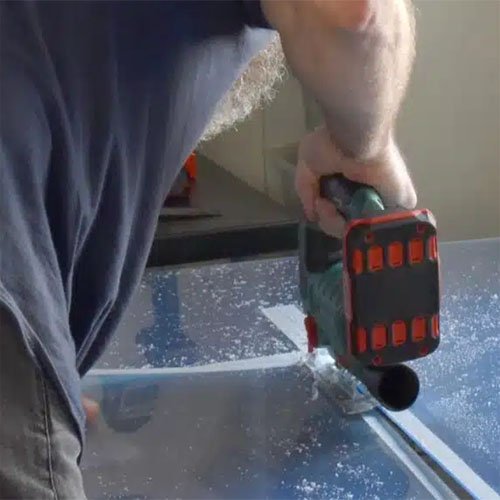
鋸切是以圓鋸或帶鋸配合專用鋸片進行切割,是工廠中最常見的亞加力初步分板方式。適合中至大尺寸板材的直線切割。
鋸切的優點
可處理較厚板材(10mm 以上亦可)
切割效率高,適合中量生產
尺寸穩定性較人手切割高
可作為後續 CNC 或雷射加工前的備料工序
鋸切的不足之處
切邊會留下鋸紋,外觀較粗
易產生熱量,操作不當會導致熔邊
切割後需再打磨或拋光
不適合細節多或異形切割
鋸切更偏向「結構與效率導向」,而非最終外觀導向。
雷射切割(Laser Cutting)的技術優勢
雷射切割利用高能量雷射束瞬間熔化並汽化亞加力,能實現極高精度與複雜形狀切割,是高端展示與品牌產品的主流工藝。
雷射切割的主要優點
切割精度極高,誤差可控制在 ±0.1mm
可切割複雜曲線、細孔與圖案
切邊光滑通透,部分情況無需再拋光
非接觸式加工,板材不易受力變形
雷射切割特別適合用於展示架、標牌、裝飾件及精緻獎座。
雷射切割的限制
成本較高,不適合低價大批量粗加工
厚板切割速度較慢
熱影響區可能產生輕微燒邊或氣味
對次料亞加力反應不穩定,易出現霧邊
因此,物料品質與設備調校對雷射切割成敗至關重要。
不同切割方式的實務比較
人手切割:低成本、低精度、僅限薄板直線
鋸切:高效率、適合厚板與初步分料
雷射切割:高精度、高質感、適合成品級加工
專業生產中,三者往往配合使用,而非單獨存在。
切割後的邊位處理與品質關鍵
不論使用哪種切割方式,邊位處理都是影響成品質素的重要一環,包括:
高品質亞加力配合正確後加工,才能展現真正的通透與質感。
總結
亞加力膠片切割並非單一工藝選擇,而是一套需配合用途、成本及品質要求的專業決策。了解人手切割、鋸切及雷射切割的特性,有助於在設計與生產階段作出最合適安排,確保最終成品在外觀、精度及耐用性上達到理想效果。
Acrylic Sheet Cutting Explained – Manual Cutting, Saw Cutting, and Laser Cutting
Acrylic sheets (PMMA) are widely used in displays, signage, awards, protective covers, and industrial components due to their clarity and versatility. Cutting method selection directly affects dimensional accuracy, edge quality, production efficiency, and overall appearance. This article provides a professional overview of three common acrylic cutting methods: manual cutting, saw cutting, and laser cutting.
Key Considerations Before Cutting Acrylic
Before choosing a cutting method, manufacturers must consider sheet thickness, required precision, edge appearance, production volume, cost, and design complexity. No single cutting technique is ideal for all applications.
Manual Cutting: Principles and Applications
Manual cutting uses an acrylic scoring knife to repeatedly score the surface before snapping the sheet along the line. It is simple and low-cost, suitable for thin sheets and basic straight cuts.
Advantages include minimal equipment cost, quick setup, and suitability for small quantities.
Limitations include rough edges, low precision, difficulty with thick sheets, and inability to cut curves or complex shapes.
Saw Cutting: Efficiency and Structural Use
Saw cutting employs circular or band saws with acrylic-specific blades. It is commonly used in workshops for straight cuts and panel sizing.
Advantages include high cutting speed, suitability for thick sheets, and consistent sizing.
Disadvantages include visible saw marks, heat-induced melting if poorly controlled, and the need for post-processing.
Saw cutting is often used for structural parts or as a preparation step before further processing.
Laser Cutting: Precision and Aesthetic Quality
Laser cutting uses a focused laser beam to melt and vaporize acrylic, achieving exceptional precision and clean edges. It is ideal for complex designs, intricate patterns, and premium display products.
Advantages include excellent accuracy, smooth transparent edges, and non-contact processing.
Limitations include higher cost, slower cutting for thick sheets, and sensitivity to material quality. Recycled acrylic may produce cloudy or burnt edges.
Practical Comparison of Cutting Methods
Manual cutting is best for simple, low-cost tasks.
Saw cutting excels in efficiency and thickness handling.
Laser cutting offers superior precision and appearance for finished products.
In professional production, these methods are often combined rather than used independently.
Edge Finishing and Final Quality
Regardless of cutting method, edge finishing—such as sanding, flame polishing, or diamond polishing—is essential for achieving a professional appearance. Proper material selection and finishing techniques maximize acrylic’s visual clarity and durability.
Conclusion
Acrylic sheet cutting is a technical decision that balances cost, precision, and aesthetics. Understanding the strengths and limitations of manual cutting, saw cutting, and laser cutting enables better planning, higher quality output, and more efficient production for acrylic-based products.